
Introduction
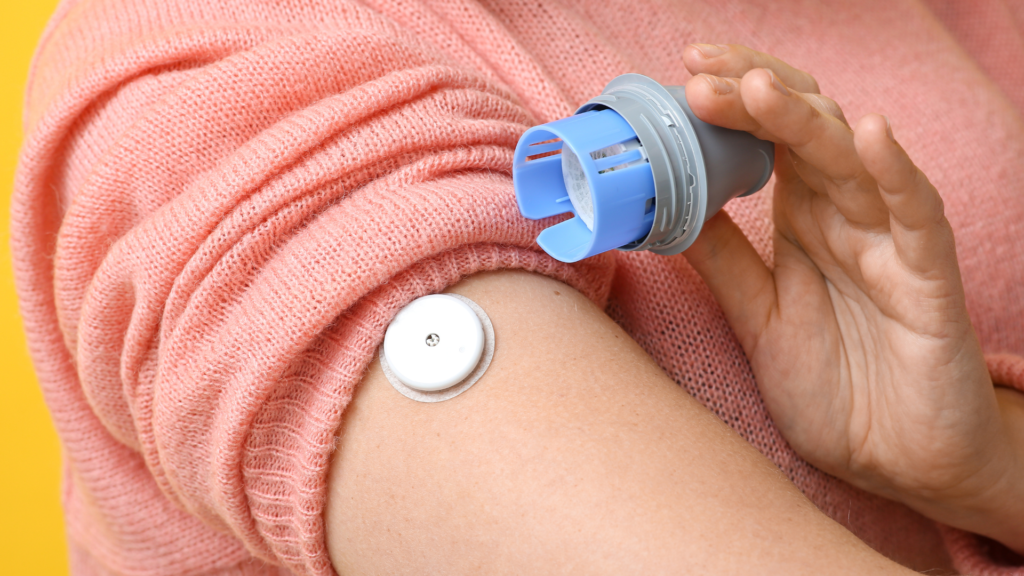
Continuous Glucose Monitoring (CGM) systems have become an essential tool for diabetes management. A key component of CGM systems is the insertion needle, which delivers the sensor into subcutaneous tissue. Although the needle is only temporarily used for insertion, its design and material directly impact patient comfort, sensor accuracy, and long-term reliability. This article provides a comprehensive analysis of CGM needle technology, design principles, and future development trends, offering insights for the medical device industry.
1.Basic Structure of CGM Needles
CGM insertion needles generally consist of two components:
- Insertion Needle: Responsible for delivering the sensor filament into subcutaneous tissue.
- Sensor Filament: Remains under the skin for long-term glucose monitoring.
Typical workflow:
Insertion needle → deliver sensor filament → withdraw needle → sensor filament remains in tissue
The core concept: the needle is temporary, while the sensor provides long-term monitoring.
2.Key Parameters of CGM Needles
Based on industry research and clinical data, typical parameters include:
| Parameter | Range | Description |
|---|---|---|
| Gauge | 27G – 33G | Minimizes insertion pain |
| Outer Diameter | ≤0.25 mm | Ensures structural strength while maintaining comfort |
| Length | 4 – 7 mm | Precisely reaches the subcutaneous interstitial fluid layer |
| Material | 316L stainless steel, titanium, polymer | High biocompatibility |
| Tip Design | Tri-bevel / Back-cut / Trocar | Optimizes penetration efficiency and reduces tissue damage |
Fine gauge and precision tip design are key to reducing insertion pain and tissue trauma.
3.Design and Technical Challenges
Designing CGM needles requires balancing four main factors:
- Insertion Pain: Small diameter, short length, and optimized bevel angles reduce discomfort.
- Tissue Trauma: Minimizing inflammation and fibrotic encapsulation improves sensor stability.
- Sensor Stability: After insertion, the sensor must remain stable to ensure accurate long-term measurements.
- Biocompatibility: Needle coatings and materials must prevent immune reactions or adverse tissue responses.
Additionally, microneedle technology is emerging as a research hotspot, offering near-painless, minimally invasive insertion.
4. Manufacturing and Materials
CGM needle fabrication involves high-precision engineering:
- Materials: 316L stainless steel, titanium, silicon, or polymer.
- Processing Techniques:
- Micro-drawing and precision grinding
- Laser cutting
- Electropolishing
- Key Structural Features:
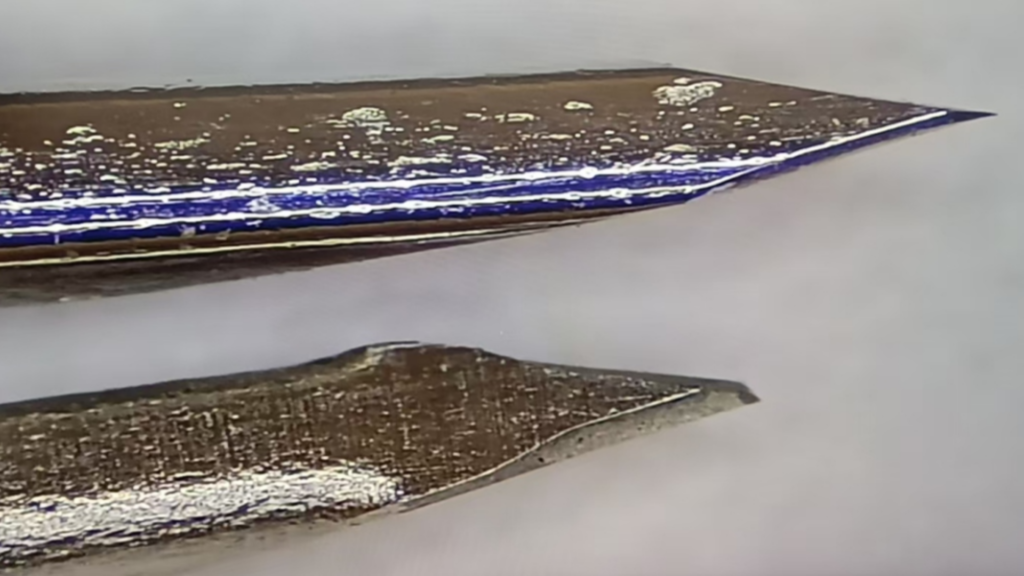
- Tri-bevel or back-cut tips
- Micro-grooves to secure the sensor filament
These manufacturing techniques directly determine needle performance and reliability.
5. Future Technology Trends
Recent research and industry developments highlight the following trends:
- Microneedle CGM: Ultra-short microneedles provide near-painless insertion and are suitable for long-term wearable use.
- Implantable Long-term Sensors: Trocar needles are used for implantation, allowing the sensor to function subcutaneously for 90–180 days.
- Optical Non-Invasive Glucose Monitoring: Currently under research, promising needle-free glucose measurement in the future.
6. Industry Applications and Supply Chain Insights
Despite their small size, CGM needles involve a complex supply chain:
- High-precision stainless steel tubing
- Micro-grinding and polishing of needle tips
- Biocompatible coatings
- Sensor-to-needle assembly
For medical device manufacturers:
- Micro-scale machining capability is a core competency
- Surface treatment and precision control are technical barriers
- Understanding CGM needle designs across brands can optimize supply chain and R&D strategies
Conclusion
Though small in size, CGM needles carry critical technological value. Their design, material selection, and manufacturing processes directly affect glucose monitoring accuracy and user experience. With the advancement of microneedle technology and implantable sensors, CGM needle design is becoming increasingly refined, presenting new opportunities for medical needle manufacturers.
💡 Industry Tip: By mastering CGM needle design parameters and manufacturing techniques, companies can gain a competitive edge in the supply chain while offering customized solutions to clients.
 English
 Portuguese
 Spanish
 Turkish
 Chinese
 German